 National Warta News
Related Articles
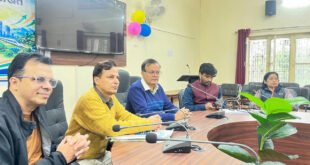
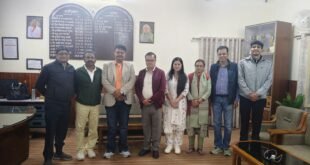

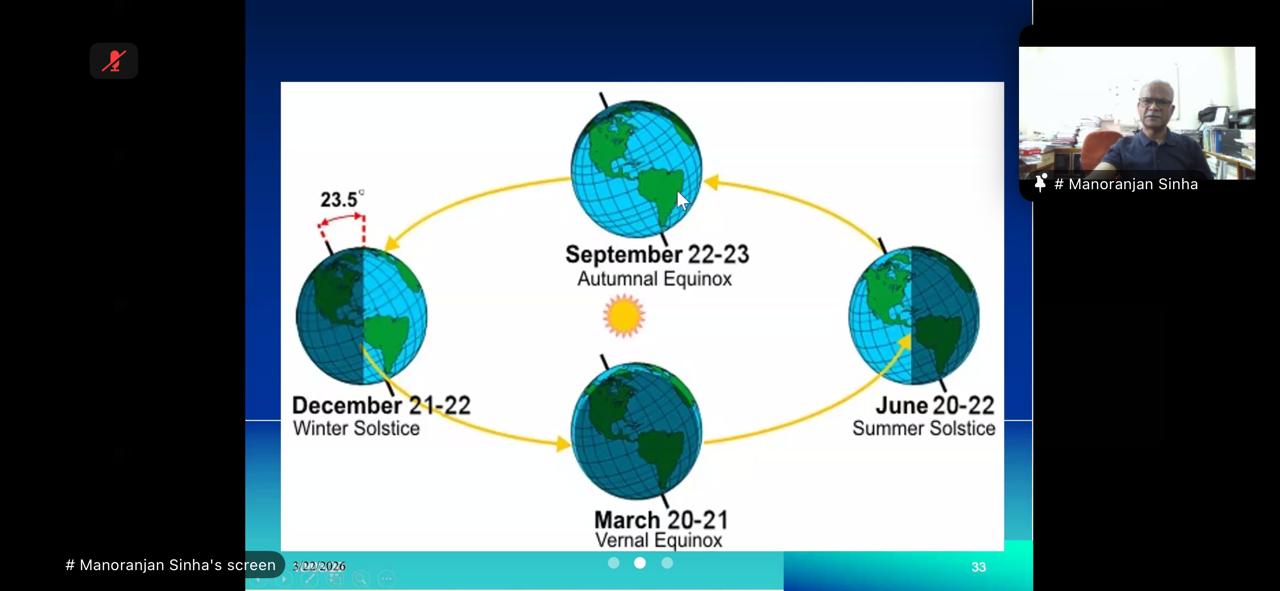
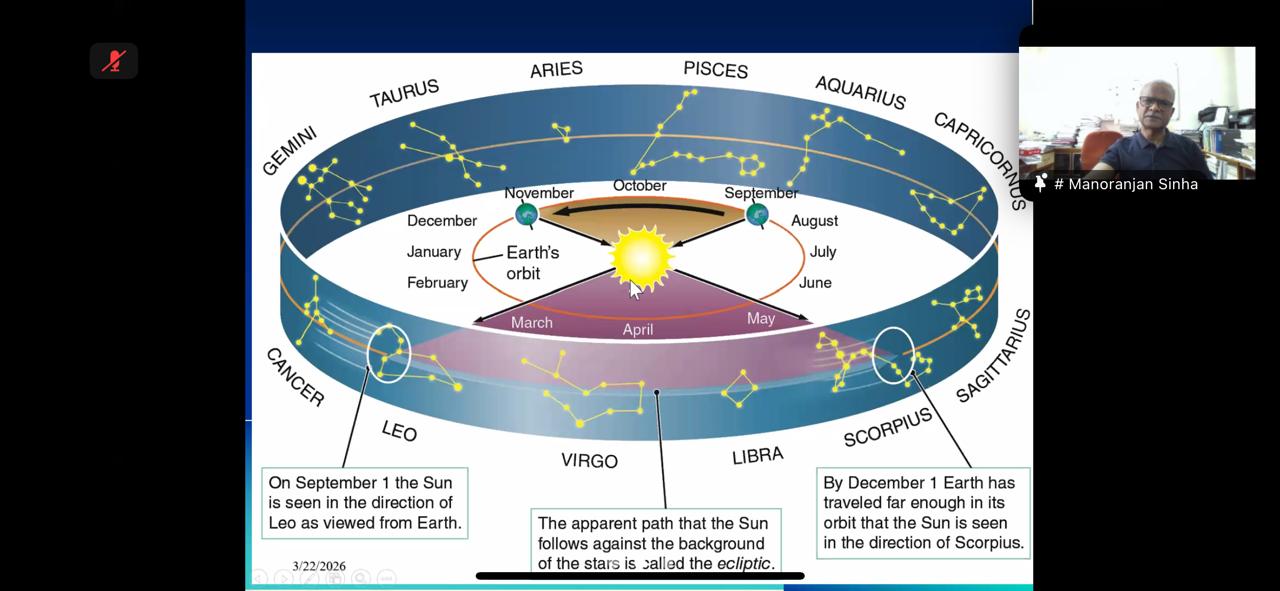
Ranikhet, Almora (Uttarakhand) -In a remarkable confluence of curiosity, knowledge, and global collaboration, the week-long international lecture series “Voyage through the Cosmos: History, Models, Theories, Images and Foundational Issues in Exploring the Universe”, organized by the Bhaktivedanta Institute, Kolkata, concluded on a high note today. Held from March 16 to 22, 2026, the programme successfully bridged the gap between remote Himalayan classrooms and the frontiers of modern cosmological research.
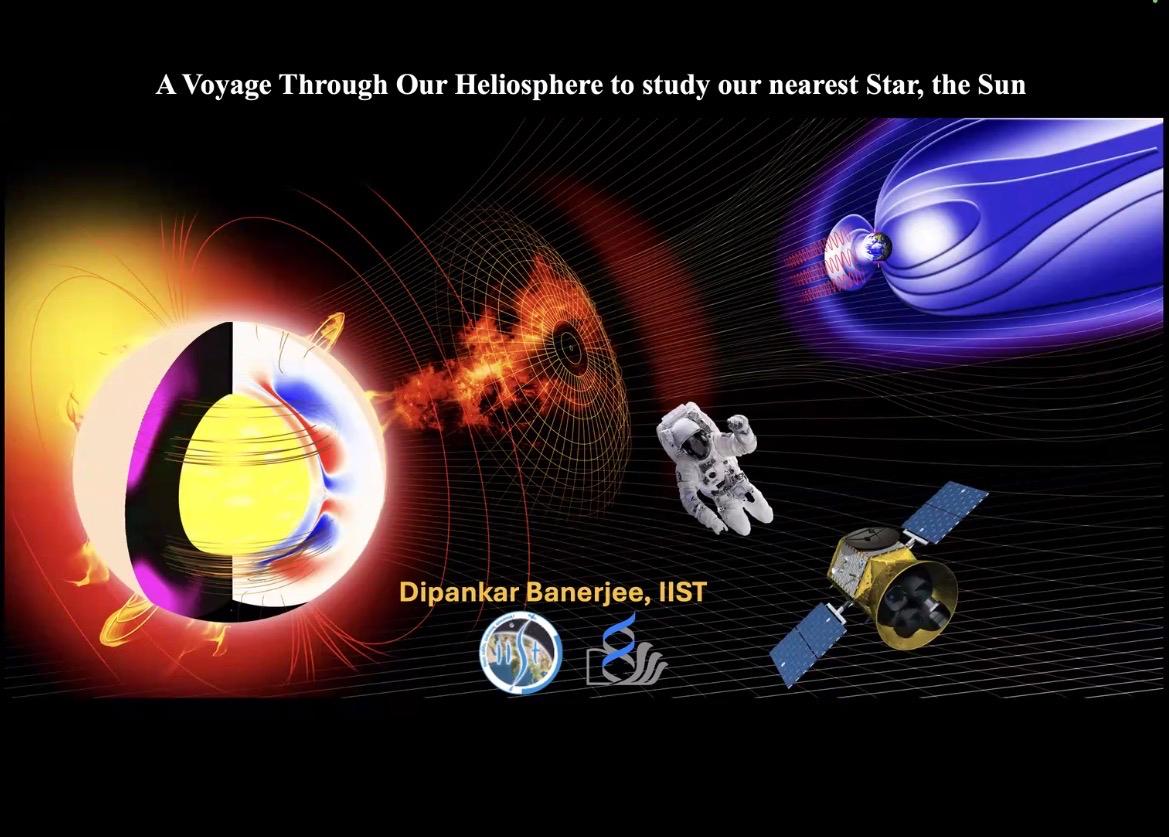
The lecture series brought together eminent scientists and astronomers from world-renowned institutions including Caltech, Harvard University, Stanford University, the University of Chicago, and University College London. Through a series of engaging and thought-provoking sessions, experts unraveled some of the universe’s most profound mysteries—ranging from black holes and dark energy to multiverse theories, string theory, and the origins and evolution of the cosmos.
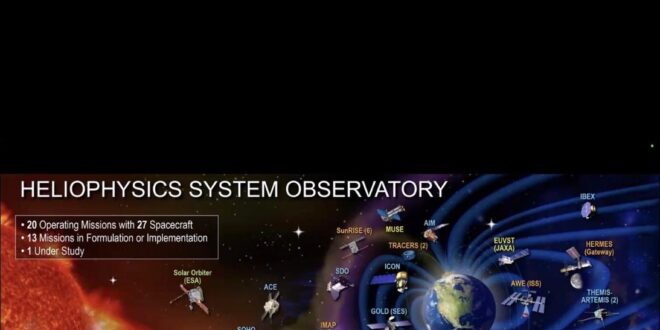
What set this initiative apart was its ability to bring the stars closer to home—translating highly complex scientific ideas into accessible narratives for students, researchers, and faculty members, many of whom are based in geographically remote regions. The sessions also highlighted cutting-edge advancements in observational astronomy, space missions, and cosmic imaging, offering participants a glimpse into the rapidly evolving landscape of modern science.
The concluding day added a distinctive dimension to the series by weaving together ancient wisdom and contemporary science. Lectures such as “Concept of Physical Time in the Vedas” and “Essential Features of Indian Astronomy” offered a compelling perspective on how traditional Indian knowledge systems resonate with modern scientific inquiry—demonstrating that the past and the present can indeed speak the same scientific language.
Principal Prof. Pushpesh Pandey described the initiative as a “landmark step” towards connecting students from rural and mountainous regions with the global scientific community. Echoing this sentiment, Prof. Durgesh Pant, Director General of UCOST, Dehradun, noted that such platforms play a crucial role in nurturing scientific temper, curiosity, and a research-driven mindset among young learners.
As the knowledge partner, Dr. Bharat Pandey emphasized that providing students from remote areas with direct access to world-class scientists was the defining success of the series. He remarked that the programme has ignited a new spark among students, encouraging them to think beyond textbooks and aspire towards research and innovation.
The enthusiastic participation of students, research scholars, and faculty members throughout the week underscored the programme’s impact. Each session concluded with lively question-and-answer segments, where participants posed insightful and probing questions—reflecting a growing culture of scientific inquiry and critical thinking.
More than just a lecture series, Voyage through the Cosmos has emerged as a beacon of inspiration—demonstrating that with the right initiatives, even the most remote corners can become gateways to global knowledge. As the curtains fall on this successful endeavour, it leaves behind not just informed minds, but inspired ones—ready to explore the universe, one question at a time.